Make it, fix it, keep track.
Practical home fermentation: one clear method and one troubleshooting guide for each of nine ferments, plus tools for your next batch.
Nine ferments: make it or fix it
Start from what you are making. Each method links to its troubleshooting guide.
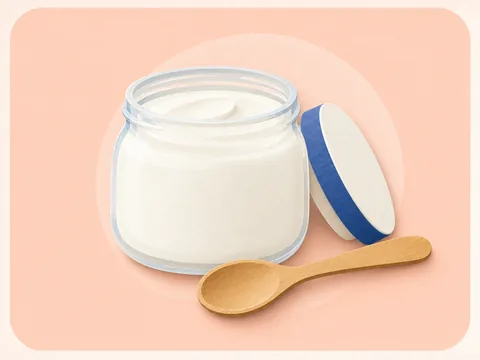
Yogurt
Heat, cool, add a spoonful of live yogurt and keep it warm for six to ten hours.

Fresh cheese (tvorog, quark)
Skim milk soured overnight by a mesophilic culture, then drained into a soft fresh cheese.
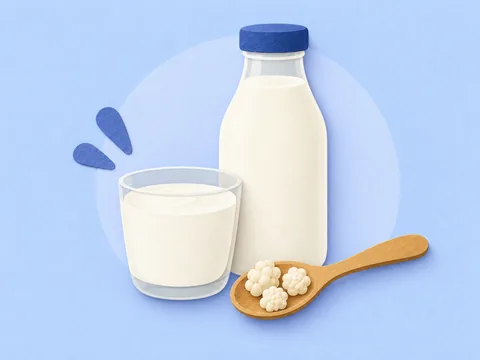
Kefir
Grains in milk at room temperature for a day, then strained and started again.
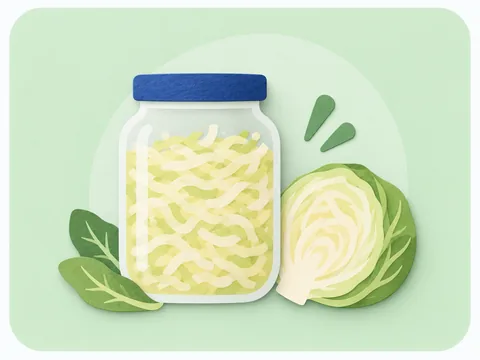
Sauerkraut and fermented vegetables
Cabbage and salt, pressed under its own brine for three to six weeks.

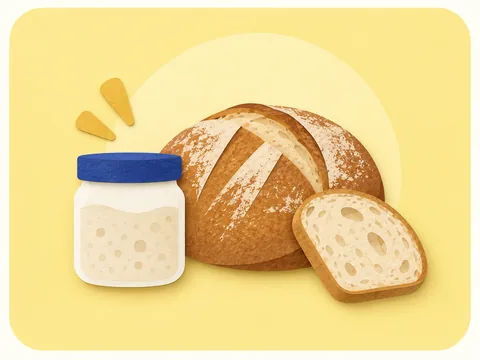
Sourdough starter
Flour, water and two weeks of feeding: a starter that doubles on schedule.
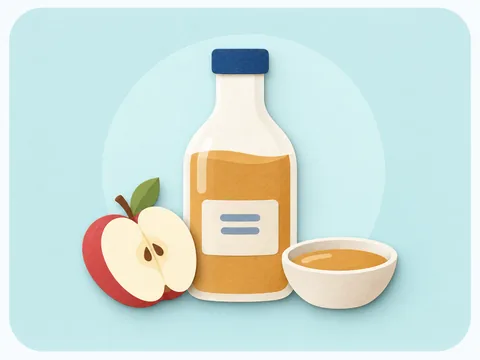
Vinegar
Diluted wine or cider, a vinegar culture and air: three to four weeks to sour.
Explore by food
Choose a food. Discover its cultures, ingredients and routines.
Skyr
Dense, smooth and made for a spoon. Our starting point for cultured dairy.
Explore skyrYogurt
Cultured milk that sets into a soft gel. A familiar place to learn temperature control.
Explore yogurt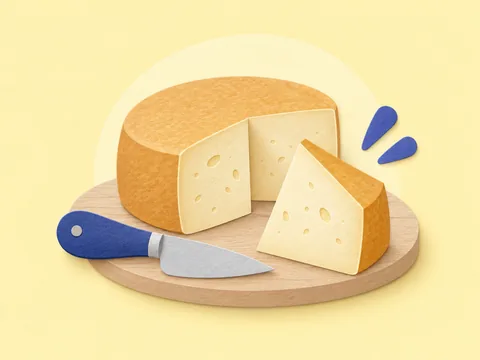
Cheese
Fresh curds, brined cheeses and ripened wheels: discover what changes the milk.
Explore cheese
Cultured dairy
Kefir, labneh, quark, sour cream, tvorog and ryazhenka, alongside skyr and yogurt.
Explore cultured dairyFermented vegetables
Cabbage, cucumbers and other vegetables with a crisp, sour bite.
Explore fermented vegetablesKombucha
Sweetened tea transformed by a culture of bacteria and yeasts.
Explore kombuchaSourdough
A flour-and-water culture that brings rise and flavour to bread.
Explore sourdoughMiso & tempeh
Two ways cultures transform beans and grains into savoury food.
Explore miso & tempehVinegar
Alcohol becomes the bright acidity used in dressings and pickles.
Explore vinegarA little understanding before your first jar
Three short readings to make the next step clearer.
Choose your first fermentation project
Start with something you already enjoy eating, then match the method to your kitchen and routine.
Read articleThe equipment you actually need
Start with the recipe. Choose a suitable container and the tools that help you measure what matters.
Read articleFermentation and pickling: what is the difference?
Two jars can taste sour for different reasons. Follow where the acid comes from.
Read articleLook more closely
Live cultures, kombucha and cultured dairy, explained.
Eight cultured dairy foods, side by side
Skyr, yogurt, kefir, labneh, quark, sour cream, tvorog and ryazhenka: compare what starts each food and what ends up on the spoon.
Read articleKombucha problems: mould, no fizz, too sour and exploding bottles
The real risks of homemade kombucha and how to handle them: mould, a weak starter, over-carbonated bottles, alcohol and who should not drink it.
Read articleLive cultures in homemade ferments: what survives and what a jar can promise
Which of your ferments still hold live cultures when you eat them, what kills them, and why “fermented” and “probiotic” are not the same claim.
Read article